” width=”625″ height=”469″ />
Top 10 Reasons to Love the Upper West Side
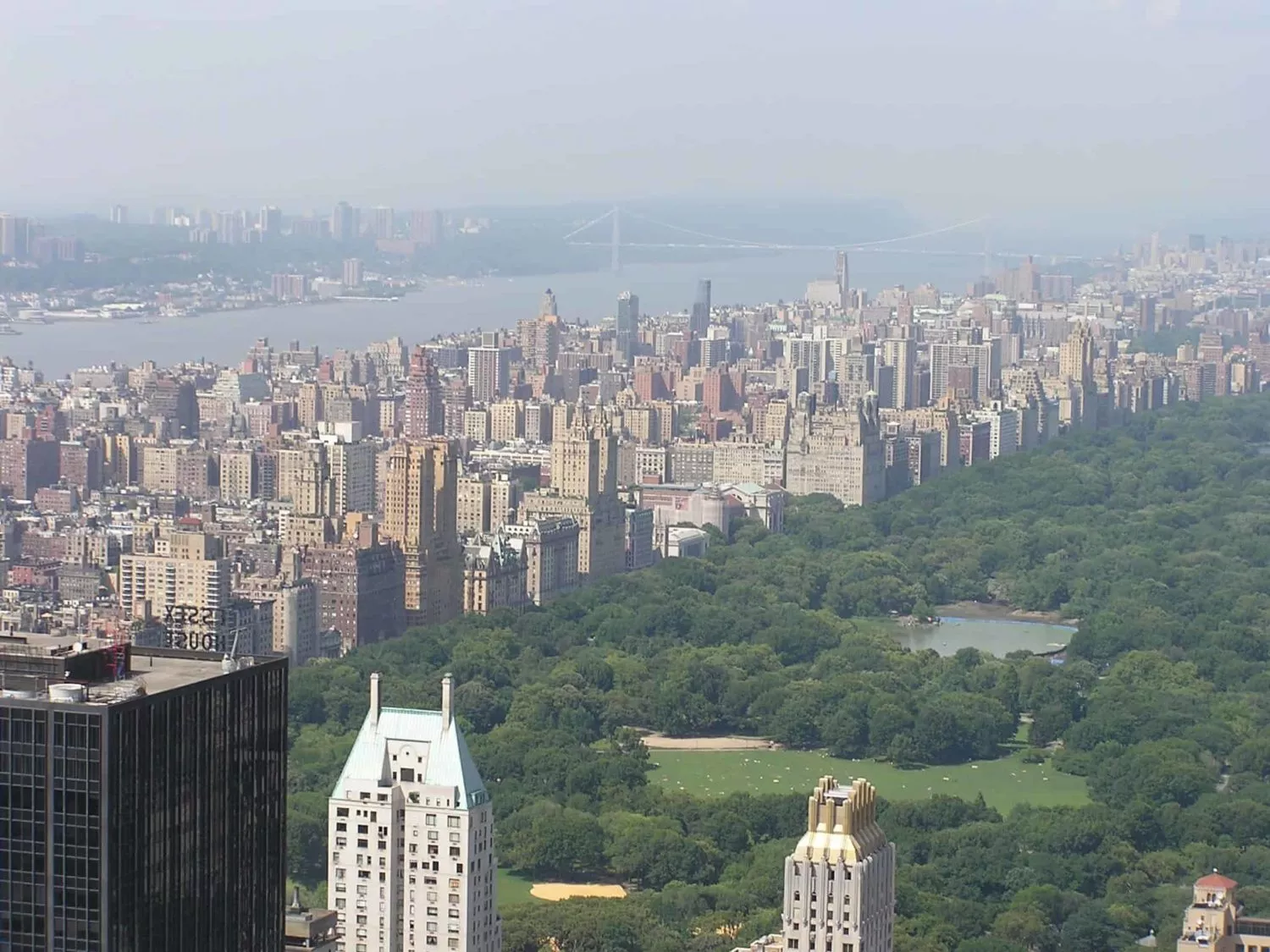
There are many reasons why Manhattan’s Upper West Side is one of the most underrated, overlooked parts of the city. Perhaps it’s too far from the noise of tourist areas like Hell’s Kitchen and Midtown. Maybe it’s the shady reputation the area gained in the 1970s and has far outgrown. Whatever the reason may be, there are so many things about the Upper West Side that make it an excellent place to visit and to live.
Let’s take a look at the top ten reasons why the Upper West Side is one of the best neighborhoods in Manhattan.
1. Livability
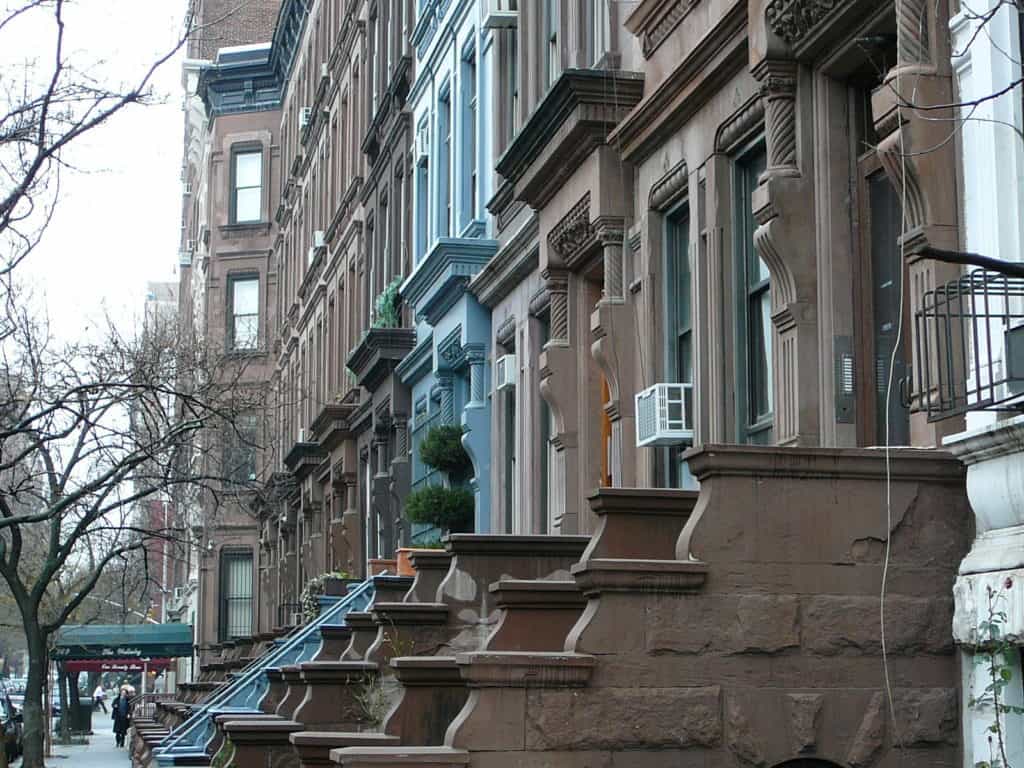
The Upper West Side remains one of Manhattan’s rare neighborhoods with a genuine sense of community: residential in feel, walkable by design, and refreshingly grounded compared to the overdeveloped stretches of Midtown and the Village.
Getting around couldn’t be easier. Two main subway lines, the 1/2/3 along Broadway and the A/B/C/D along Central Park West, make the neighborhood easy to navigate without a car. The Upper West Side is also served by 14 bus routes, Citi Bike stations throughout the neighborhood, protected bike lanes along Columbus and Amsterdam Avenues, and the Hudson River Greenway along the western edge.
Congestion pricing, launched in January 2025, continues to push citywide subway ridership up, making the Upper West Side’s transit-first lifestyle even more practical.
That livability does come at a price. The Upper West Side’s cost of living is driven almost entirely by housing, which sits 559% above the national average according to AreaVibes. Non-housing costs, like groceries, healthcare, and transportation, are more reasonable, running only 6–18% above national norms.
If you want to rent on the Upper West Side, as of 2026, expect to pay:
- Studio apartment: $3,200–$3,500 per month
- 1-bedroom apartment: $4,500–$4,900 per month
- 2-bedroom apartment: $6,500–$8,800 per month
- 3-bedroom apartment: $9,500–$12,250 per month
The Upper West Side sits within NYC’s District 3, one of the strongest public school districts in the city, with a strong graduation rate and a stack of A-rated elementary schools. Standouts include P.S. 199 and P.S. 87, two of Manhattan’s most coveted zoned schools, and the Anderson School, also known as P.S. 334, one of NYC’s top Gifted & Talented programs running K–8.
For budding musicians, the Special Music School is a K–12 public school affiliated with Kaufman Music Center that teaches music as a core subject in the curriculum. On the private side, the Upper West Side’s Trinity School is ranked in the top five private schools in NYC, while Collegiate School, an all-boys private school founded in 1628, is the oldest independent school in operation in the United States.
2. Green Spaces
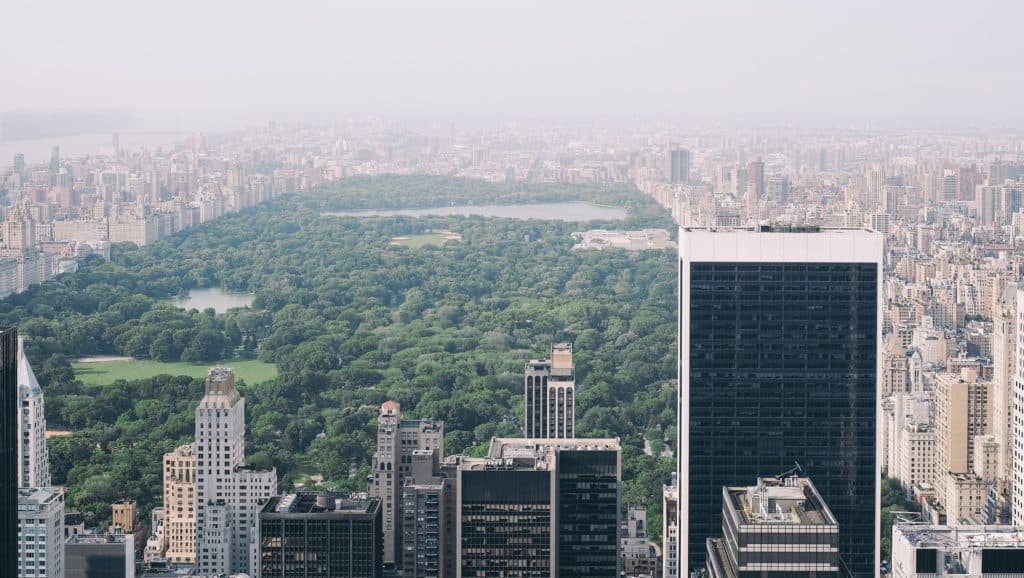
The Upper West Side is one of Manhattan’s greenest neighborhoods, and not just because Central Park borders it to the east. Central Park’s 800-plus acres give residents room to jog, bike, walk, or simply decompress at Azalea Pond before the city wakes up. Living on the Upper West Side gives fitness enthusiasts a unique opportunity to jog through the park first thing in the morning, before most of the city has even started its day.
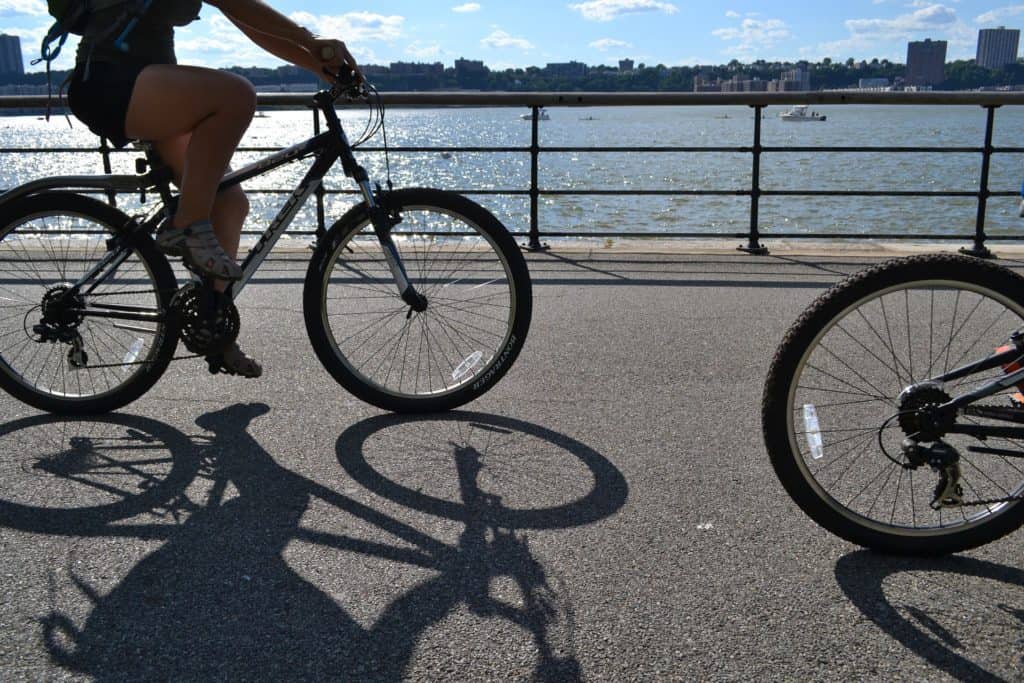
But the real hidden gem is Riverside Park, stretching along the Hudson River with cafes, art installations, and running paths. It is without a doubt one of Manhattan’s most spectacular waterfront parks and remains one of the neighborhood’s defining outdoor spaces.
Beyond those two parks, the Upper West Side contains dozens of additional green spaces, from the newly renovated Theodore Roosevelt Park surrounding the American Museum of Natural History to Waterline Square Park, a vibrant park that opened in 2020, nestled between buildings with sculpture fountains and a children’s playground.
3. Year-Round Fun
The Upper West Side has an events calendar that punches well above its weight. Every November, the Macy’s Thanksgiving Day Parade kicks off right here at 77th Street and Central Park West. The night before, the free Balloon Inflation Celebration takes place outside the American Museum of Natural History, turning the streets into a spectacle of their own.
Come summer, Lincoln Center’s Summer for the City festival takes over the campus with hundreds of free performances from June through August, while Shakespeare in the Park runs free productions of Shakespeare, classical works, and musicals at the newly renovated Delacorte Theater.
Every Sunday year-round, Grand Bazaar NYC at 77th Street draws 200 vendors, with profits going directly to local public schools.
4. Fun, Unpretentious Bars
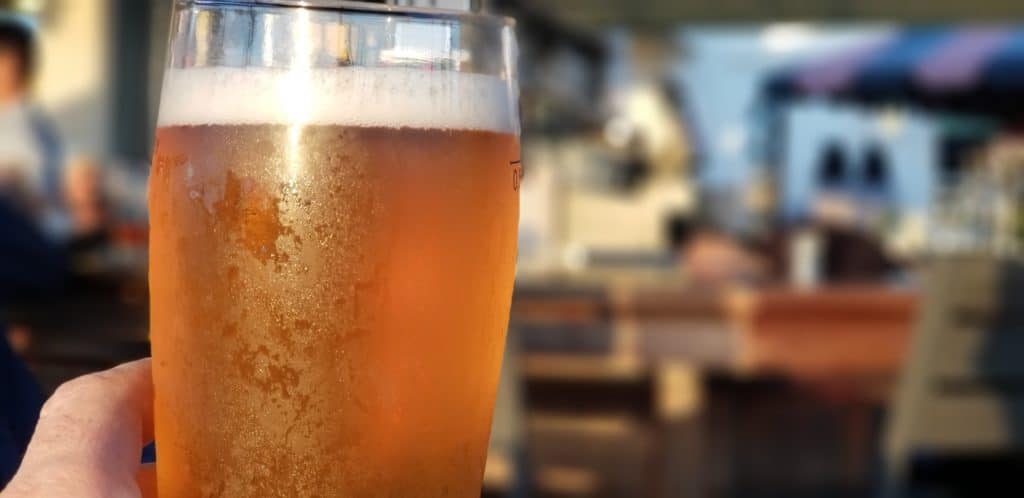
If your perfect night out involves a more relaxed, easygoing pace, the Upper West Side is your spot for nightlife. At places like e’s bar on Amsterdam Avenue, you can play board games, darts, and pool with genuine New Yorkers in a lively but not excessive atmosphere.
5. World-Class Cuisine for All Budgets
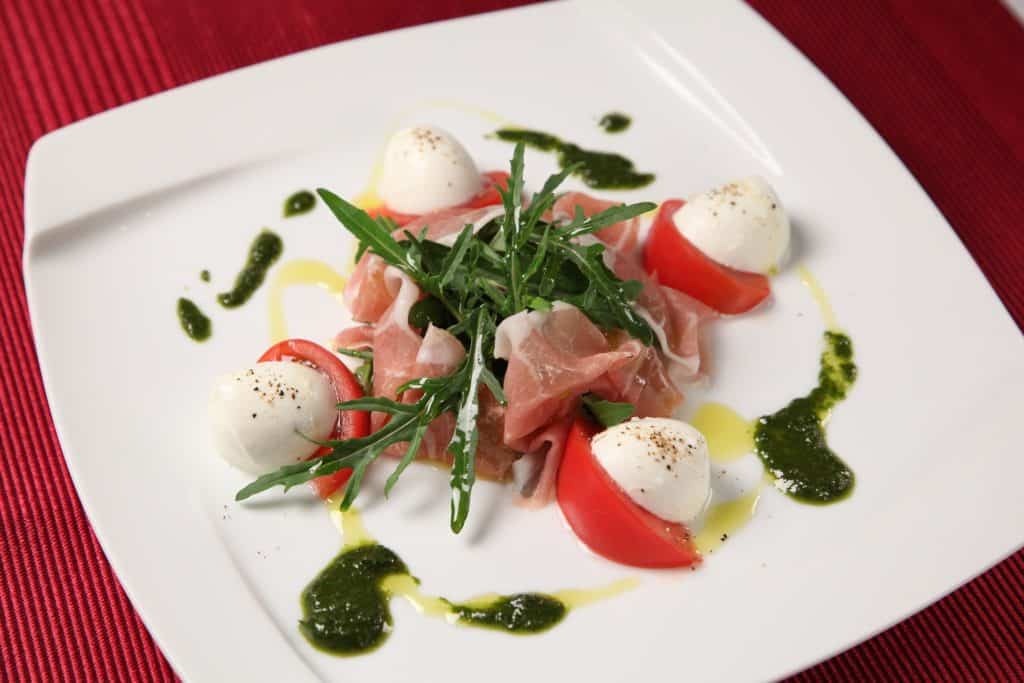
Another wonderful thing about the Upper West Side is that it has a fantastic variety of restaurants and cuisines, and the quality runs deep.
The neighborhood claimed two James Beard Award semifinalists in 2026: Christophe Bellanca of the Michelin-starred Essential by Christophe, and Kwame Onwuachi of Tatiana, which the New York Times named the best restaurant in New York City two years running.
Whether you’re looking to impress someone for a special occasion or just dine casually after happy hour, the Upper West Side delivers. For a classic New York experience, Barney Greengrass has been serving smoked fish and Jewish deli staples since 1908, Sal & Carmine’s is a no-frills pizza institution, and Metro Diner covers all the comfort food bases.
6. Job Market & Prominent Industries
The Upper West Side’s economy is defined by its cultural institutions, medical centers, and educational anchors rather than corporate offices.
Lincoln Center alone houses 11 performing arts organizations and presents more than 5,000 performances a year, employing thousands across the Metropolitan Opera, New York City Ballet, New York Philharmonic, The Juilliard School, and other major institutions.
In 2025, ABC News bid its final farewell to its iconic Upper West Side campus, ending decades of media production at 7 West 66th Street. Developer Extell has since acquired the former ABC site and is planning a major mixed-use building there.
7. American Museum of Natural History
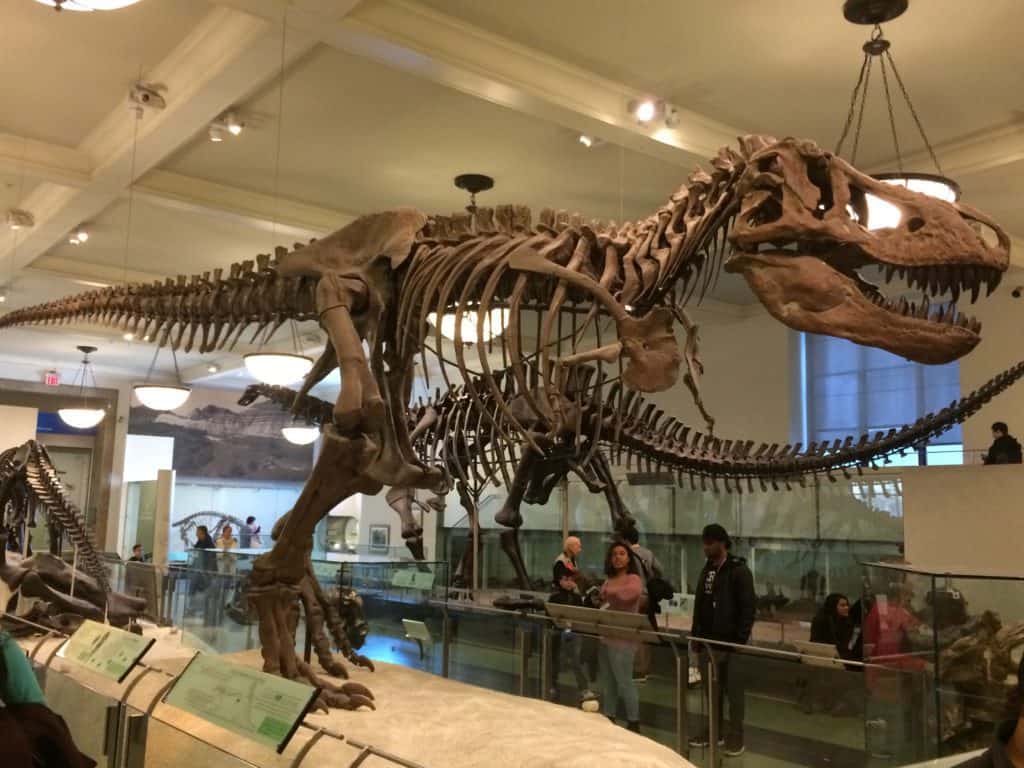
One major tourist destination that the Upper West Side brings to the table is the American Museum of Natural History. With iconic mainstays like massive dinosaur fossils and the blue whale, this museum will have your imagination running wild. Stay in the loop to learn about temporary exhibitions to expand your wonder and awe even further.
8. Cultural Destination for the Arts
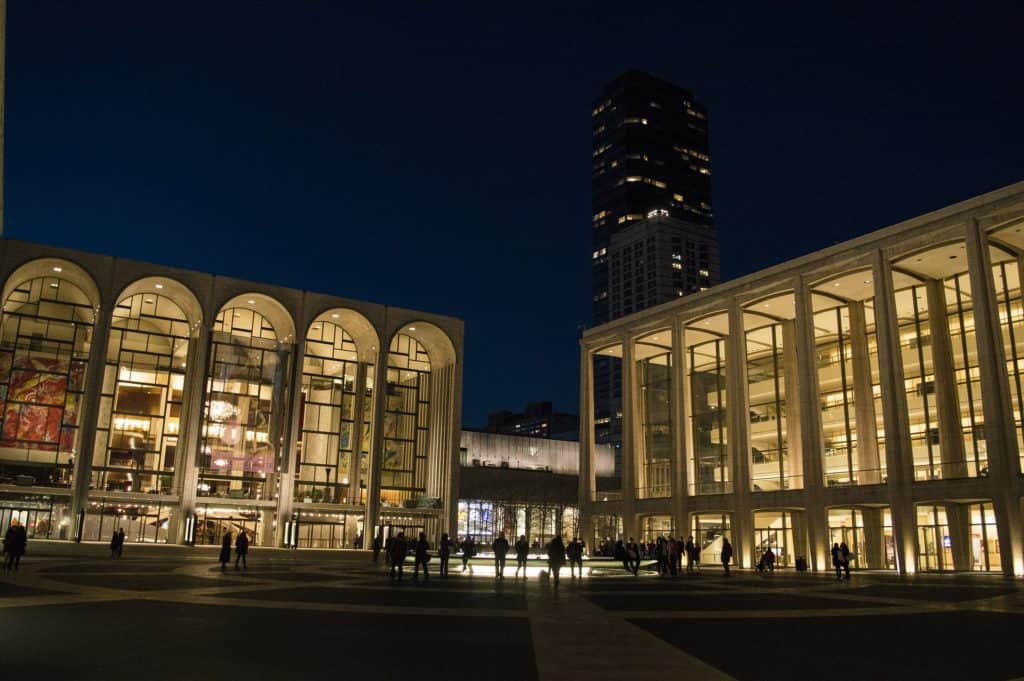
Though much of the Upper West Side is known for livability and lack of pretentiousness, Lincoln Center provides the neighborhood with high-culture appeal by hosting performing-arts institutions like the Metropolitan Opera and the New York City Ballet.
This makes the neighborhood one of Manhattan’s most important cultural destinations, balancing quiet residential blocks with world-class music, dance, opera, theater, and film.
9. Easy Access to High-Quality Grocers
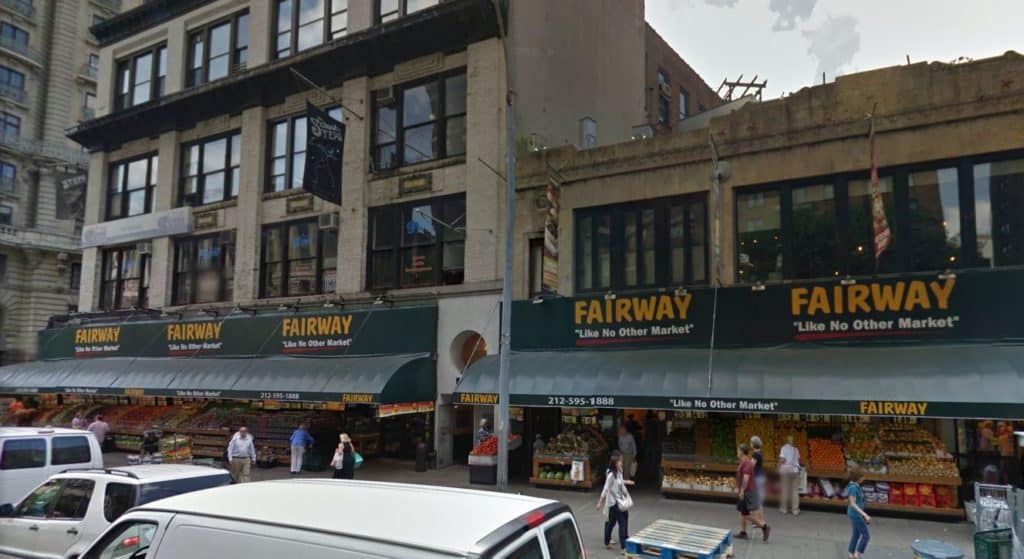
New York is a hub for culinary excellence and a variety of cuisines. However, you’re going to have to do most of your cooking at home unless you’ve got the budget to eat out every day.
Fairway is a two-story specialty grocer offering excellent deli, bakery, and butcher services, as well as endless international specialties and bulk sale items. Trader Joe’s is another excellent specialty supermarket with two Upper West Side locations, serving up unique, healthy dishes that are easy to implement into your daily diet.
Zabar’s on Broadway has been a neighborhood institution since 1934. Saul Zabar, who spent over seven decades building the gourmet emporium opened by his parents into a New York institution, passed away in October 2025 at 97.
